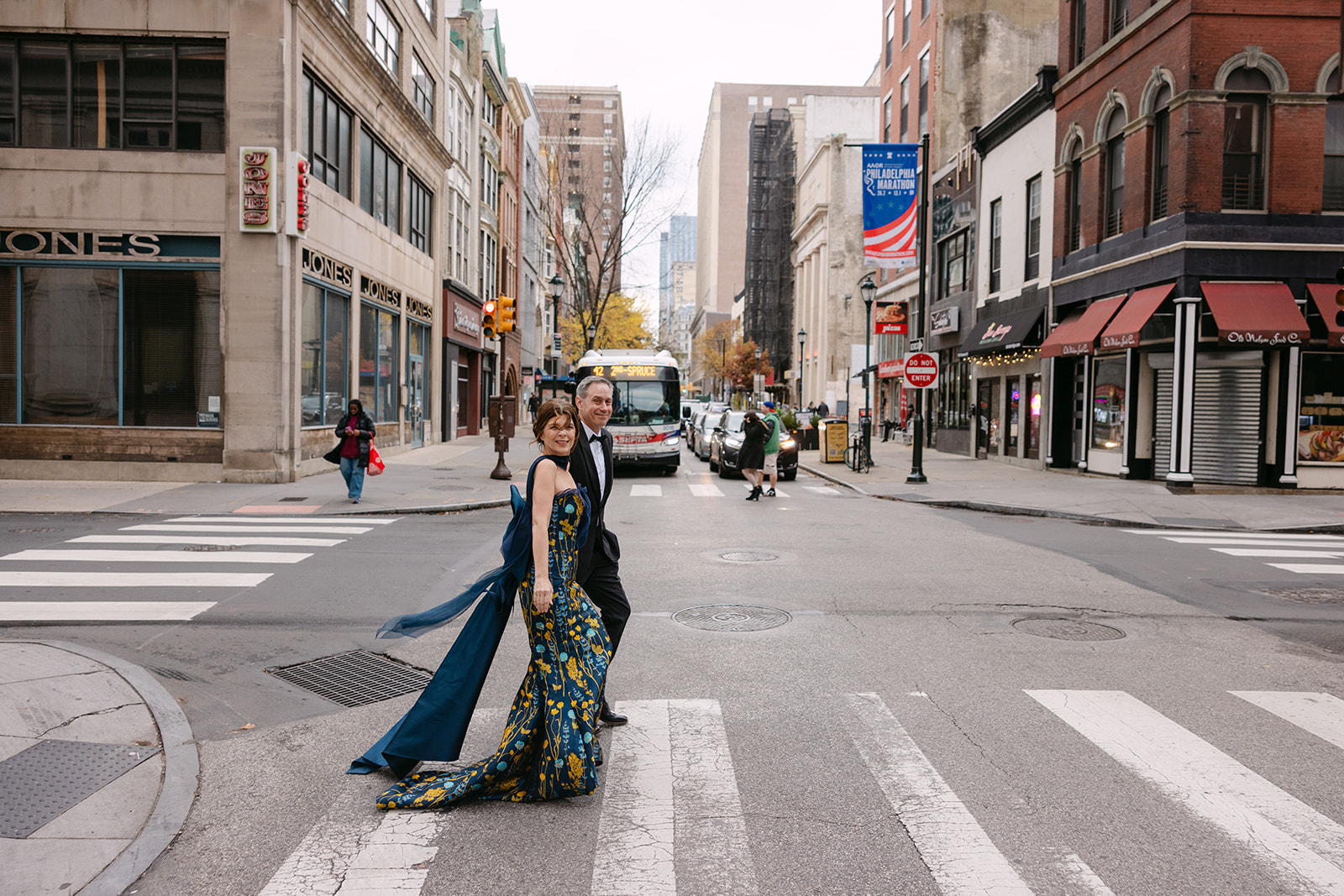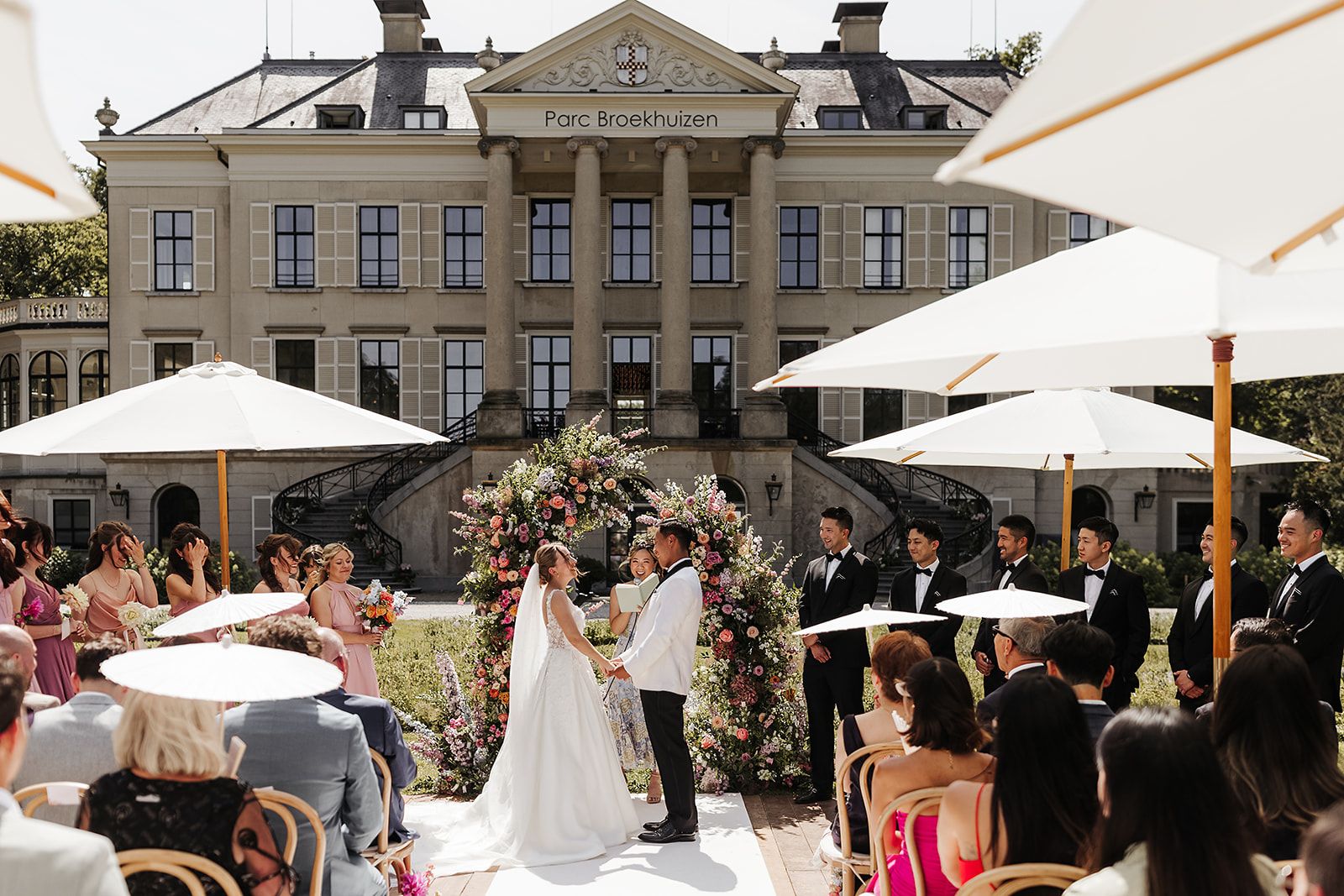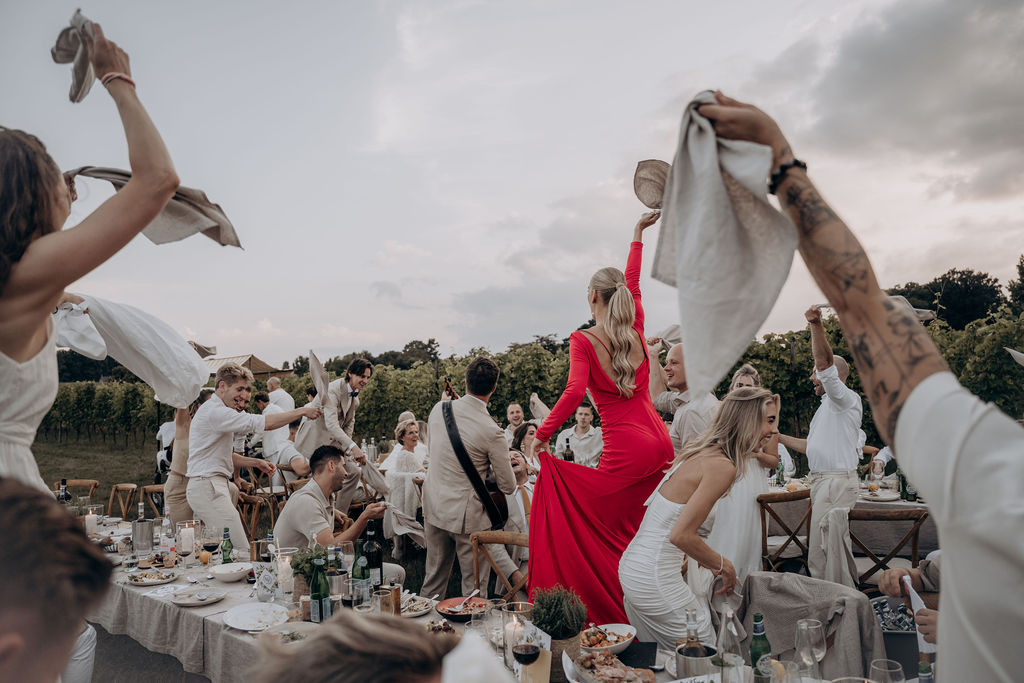
A three-day wedding gives you more time to truly celebrate together. From a relaxed welcome dinner on Friday to the wedding day on Saturday and a farewell brunch on Sunday. In this blog, we show you how a wedding weekend can be structured and what to consider when it comes to planning, guest experience, styling and timing.
A wedding weekend gives you something that is often in short supply on a traditional wedding day: time.
Time to truly welcome your guests. Time to eat together, catch up and ease into the celebration. And time to enjoy the day after the wedding without having to say goodbye straight away.
A three-day wedding often revolves around three main moments: a welcome dinner on Friday, the wedding day on Saturday and a relaxed brunch on Sunday.
But what does a wedding weekend actually look like in practice? And how do you make sure it feels like one complete experience rather than three separate events?
Friday: arriving and starting the weekend together
Friday is all about arriving.
Guests travel to the location, check in at their hotel and have a little time to settle in. Especially when people are travelling from further away or when you are planning a destination wedding, it is nice not to start with a full programme straight away.
Later in the afternoon or early evening, everyone comes together for the first time.
This could be an informal drinks reception, cocktails in the garden or a more elaborate welcome dinner at long tables.
The atmosphere on Friday can be more relaxed than on the wedding day itself. It is often the first moment when guests really meet one another, which naturally creates an easy and welcoming start to the weekend.
A possible schedule could look like this:
3:00 – 5:00 PM
Guest arrival and check-in
5:30 PM
Welcome drinks
7:00 PM
Welcome dinner
10:30 PM
Relaxed end to the evening
It does not have to be a late night. The wedding day is still to come.
What we love is when Friday already offers a subtle preview of the weekend ahead. Think stationery in the same style, flowers that return later, or a colour palette that is introduced gently and developed further on Saturday.
It does not all have to be grand from the start.
The most important thing is the feeling: your guests have arrived, and the weekend has begun.
Saturday: the wedding day
Saturday is, of course, the heart of the wedding weekend.
One of the nicest things about a multi-day wedding is that your guests already know each other by then. The first conversations have happened and everyone feels more connected to the celebration.
That often creates a completely different energy on the wedding day itself.
Start the morning slowly. You do not need to schedule activities for everyone from nine in the morning. Let your guests enjoy breakfast, go for a walk, relax by the pool or simply enjoy the venue while you get ready.
An example wedding day timeline:
8:30 – 11:00 AM
Breakfast and free time for guests
11:00 AM
Getting ready
2:00 PM
Guest arrival
2:30 PM
Ceremony
3:30 PM
Champagne, cake and drinks
6:00 PM
Dinner
9:00 PM
Party begins
Midnight or later
Late-night snacks and end of the evening
This is, of course, only one possible structure.
Perhaps you prefer a later ceremony followed by dinner under the stars. Or maybe you want to start earlier and turn the evening into one big celebration.
The most important thing is to leave enough space between the different moments.
A wedding weekend does not need to become busier simply because you have more time.
Quite the opposite.
Allow your guests to move naturally from the ceremony into drinks. Give dinner the time it deserves and avoid planning something new every twenty minutes.
That sense of space is what makes the weekend feel luxurious and relaxed.
Think about the guest experience too
During a wedding weekend, your guests are part of the celebration for longer, which makes their overall experience even more important.
Think about transport between the hotel and the wedding venue, clear communication about dress codes and timings, enough food and drinks, and moments where guests can take a break.
Small details can make a big difference.
A personal welcome note in the hotel room. Water and something sweet after a long journey. A wedding newspaper at breakfast. Slippers during the party or a shuttle that safely brings everyone back to the hotel.
It is not always the biggest gestures that guests remember.
Often, it is simply the feeling that everything has been thought through.
Sunday: ending the weekend together
After months of planning, a welcome dinner and a full wedding day, Sunday morning can feel almost surreal.
That is why we love the idea of a shared brunch or farewell breakfast to close the weekend.
No big programme. No speeches or scheduled moments.
Just good food, coffee and time to talk about the night before.
For example:
9:30 AM
Breakfast or brunch begins
10:00 AM – 12:00 PM
Farewell brunch
From 12:00 PM
Check-out and departure
The brunch can be very simple.
Good coffee, fresh bread, fruit, eggs and perhaps a Bloody Mary or mimosa for anyone who feels like one after the party.
If the weather is good, it can be lovely to do this outside. Long tables, relaxed seating and no rush.
Because there is nothing left that has to happen, these final hours often lead to some of the nicest moments of the entire weekend.
Does everyone need to attend the whole weekend?
Not necessarily.
A wedding weekend does not automatically mean that every guest needs to attend every part of the celebration.
Some couples choose to keep the welcome dinner intimate with family and close friends, while inviting a larger group for the wedding day. Others prefer to experience the full weekend with everyone together.
Both can work beautifully.
The key is to be clear from the start about who is invited to which part of the weekend.
Especially for a destination wedding, it is helpful to give guests plenty of notice about accommodation, transport and the overall schedule.
Give each day its own atmosphere
A wedding weekend feels even more special when the different days do not all feel exactly the same.
Friday can be warm, relaxed and informal.
Saturday can be more refined and celebratory.
And Sunday can be light, effortless and easy.
That does not mean you need a completely different styling concept for every day.
By subtly repeating colours, materials, flowers and stationery, you can create a sense of continuity without making every setting look identical.
A wedding weekend is not about planning more
Perhaps the most important thing to remember is that a wedding weekend does not need to become a three-day programme filled with activities.
Because you have more time, you can actually create more space.
Space for guests to arrive. Space to sit around a table for longer. Space to enjoy the moment after the ceremony without immediately moving on to the next thing. And space to spend one more morning together before everyone leaves.
For us, that is the true value of a wedding weekend.
Not how much you plan, but how the weekend feels.
Finally
A three-day wedding can be as simple as:
Friday: arrival, welcome drinks and dinner
Saturday: ceremony, drinks, dinner and party
Sunday: farewell breakfast or brunch
From there, you can make the weekend as personal as you like.
Maybe you add a pool party, a pizza night, an activity with your guests or nothing at all.
The best timeline is not the one with the most events. It is the one where atmosphere, timing and guest experience are in balance.
At BEST DAY EVER Events, we plan and coordinate wedding weekends in the Netherlands and abroad. We look at the full experience, from planning and styling to hospitality, suppliers, transport and everything happening behind the scenes.
So that you are not spending three days organising, but three days celebrating.

Nailia
Founder of BEST DAY EVER Events